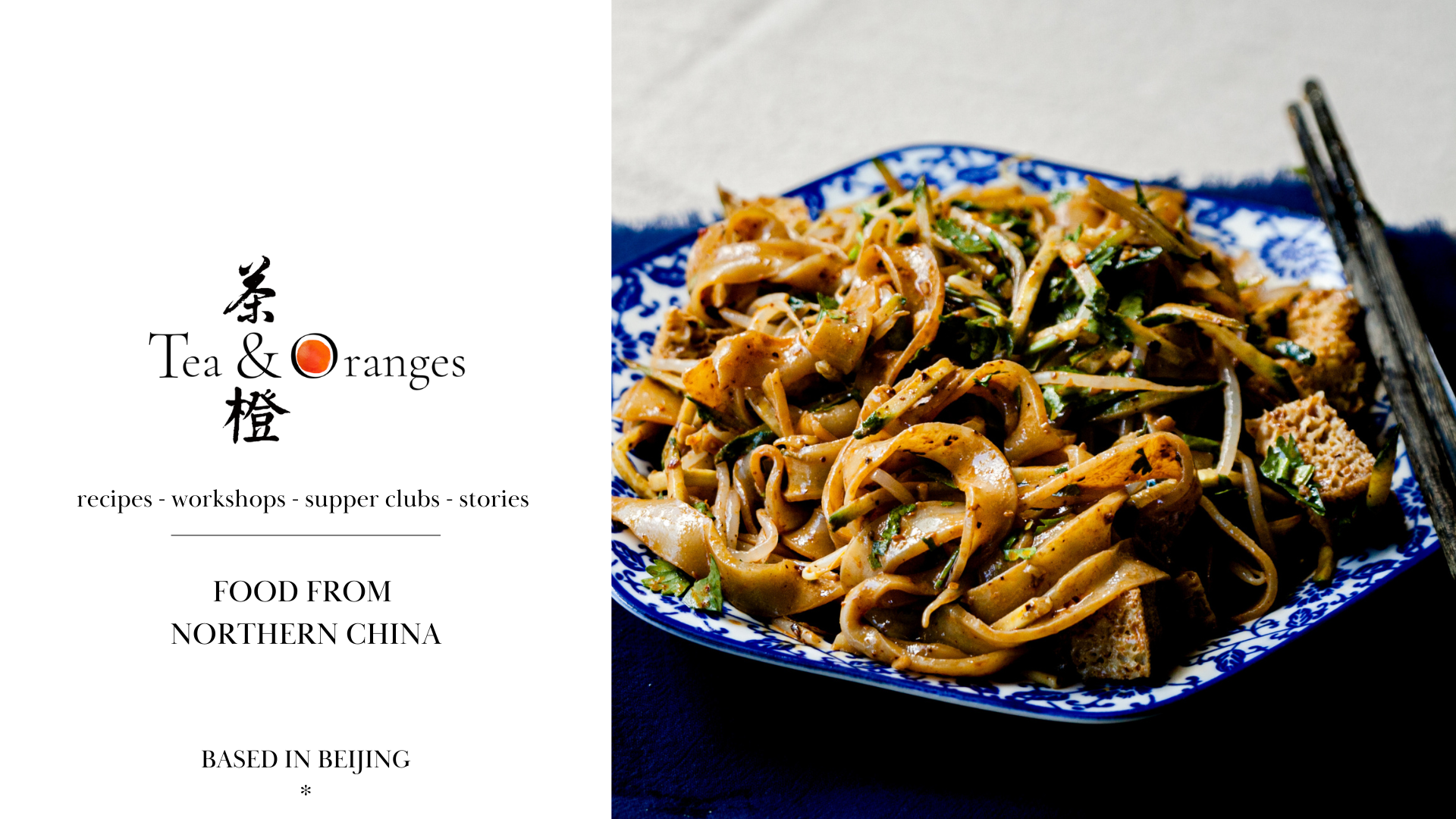
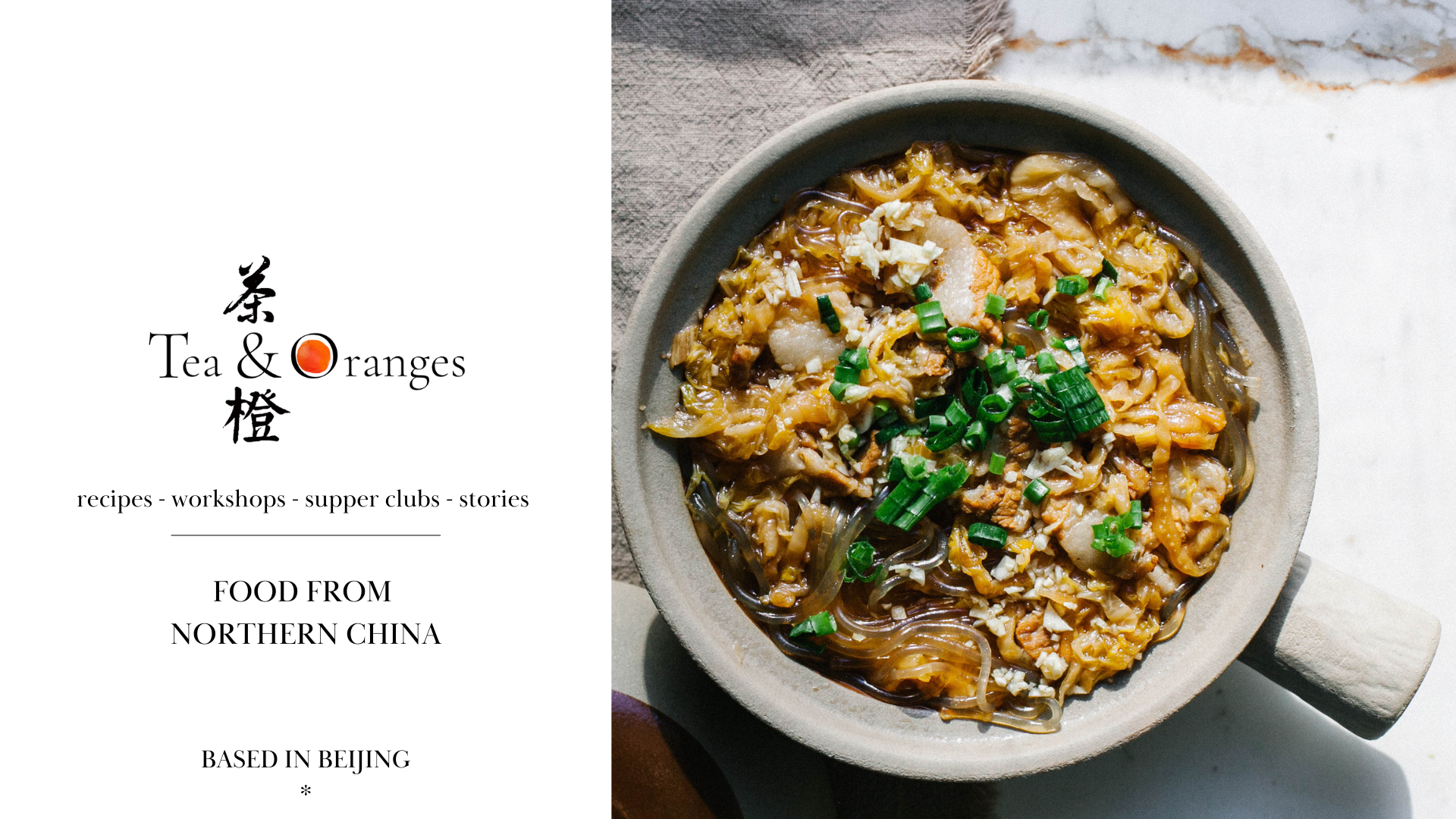
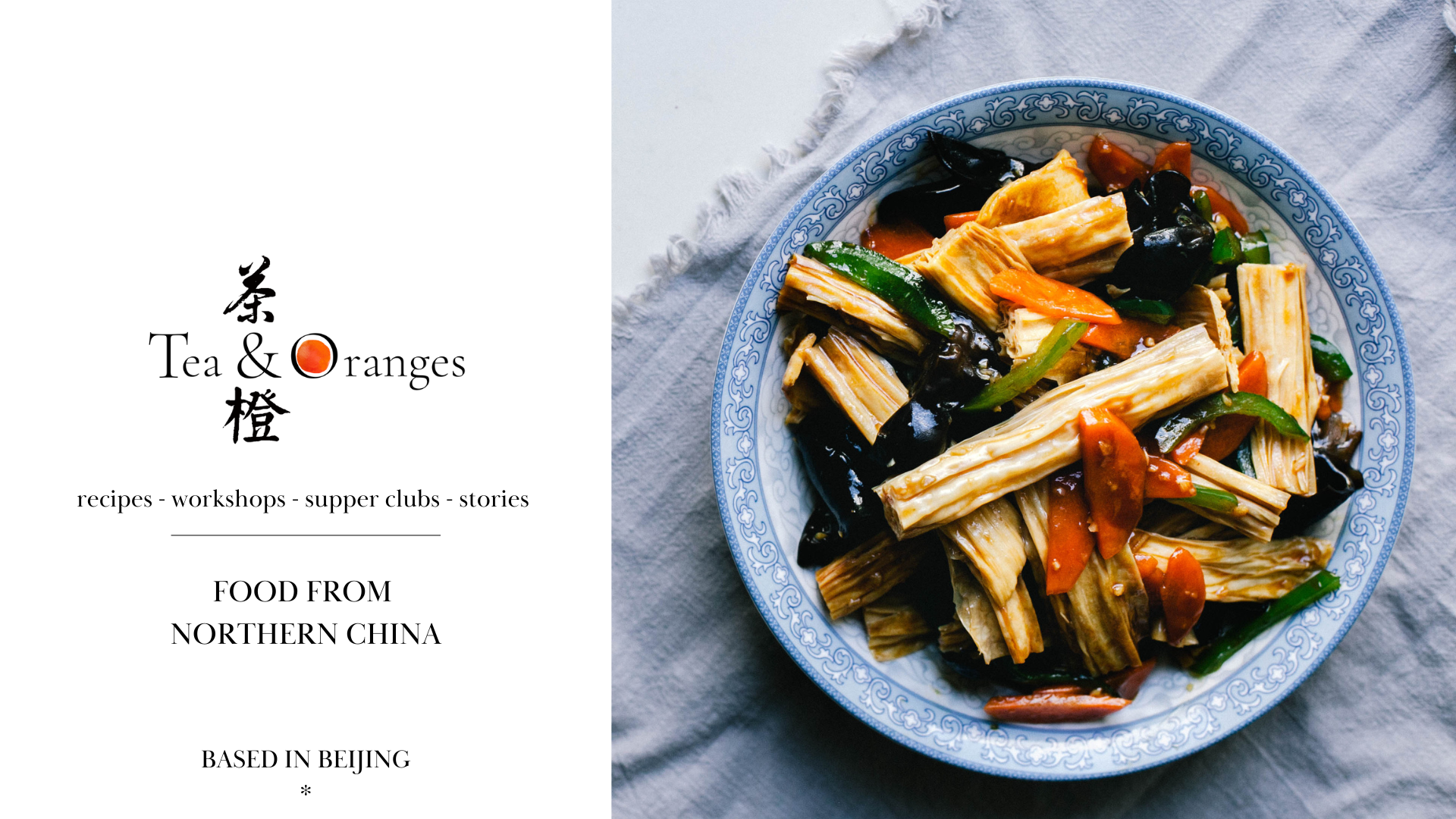
The soybean is a shape-shifter; a vegetable with more tricks up its sleeve than almost any other. It gives us milk, sauces, pastes, fragile skins, springy knots, puffs that collapse in a broth, funky fermented bricks, and a hundred textures in between. In this guide, I’ll explore the most common types of tofu in China.
Fermented foods are having a moment. It was Sandor Katz’s book The Art of Fermentation that opened my eyes to the power of pickles. More recently, epidemiologist Tim Spector has been pushing it forward, and helping to bring the importance of the gut microbiome into mainstream conversation. However, if you really want to know about ferments, China is the place to look. For thousands of years, this cuisine has relied on fermentation. Long before refrigeration, fermentation was both necessity and craft: a way to preserve vegetables through bitter winters, to coax flavour from humble grains and beans, and to transform simple ingredients into something deeper and more complex.
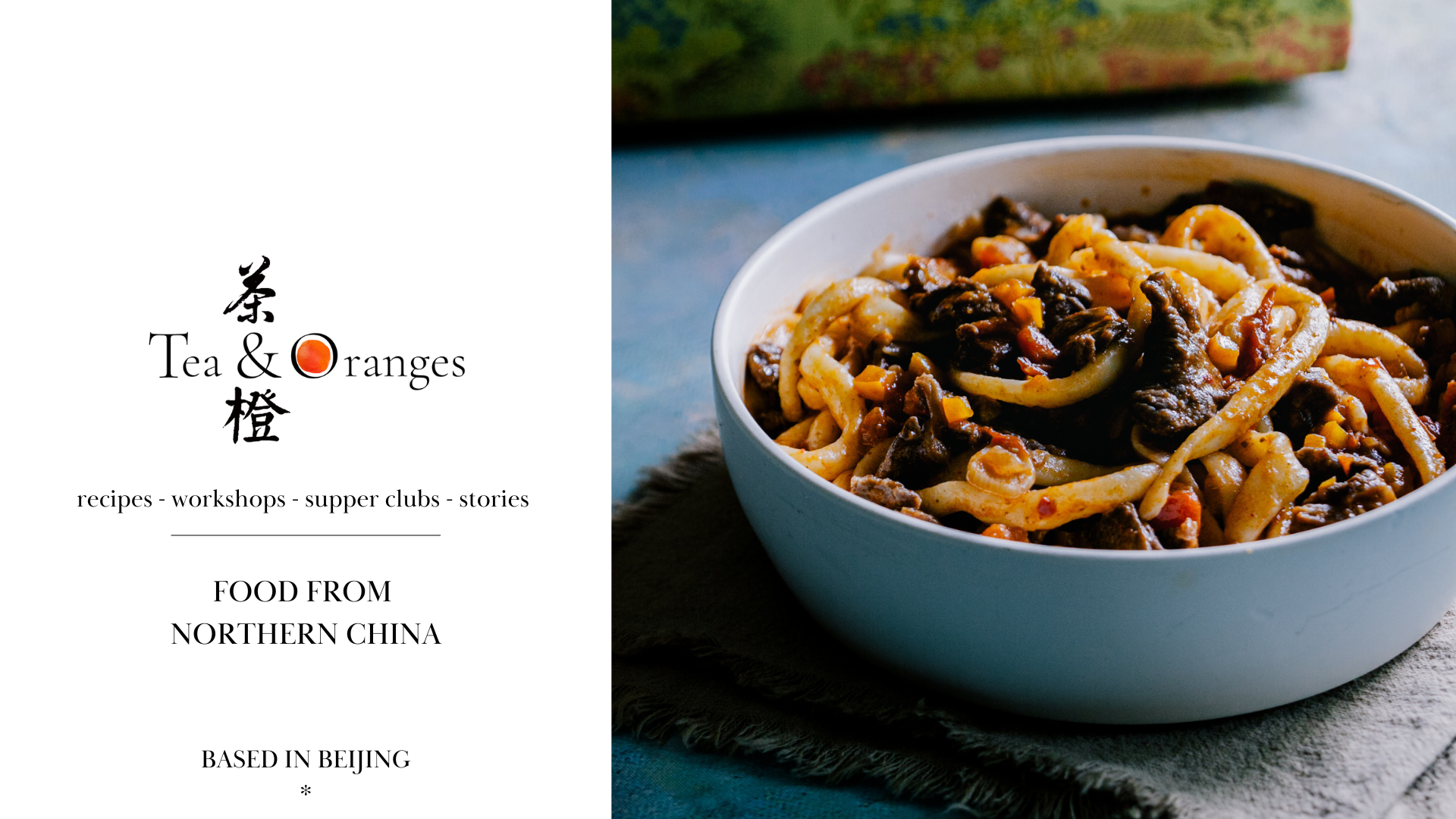
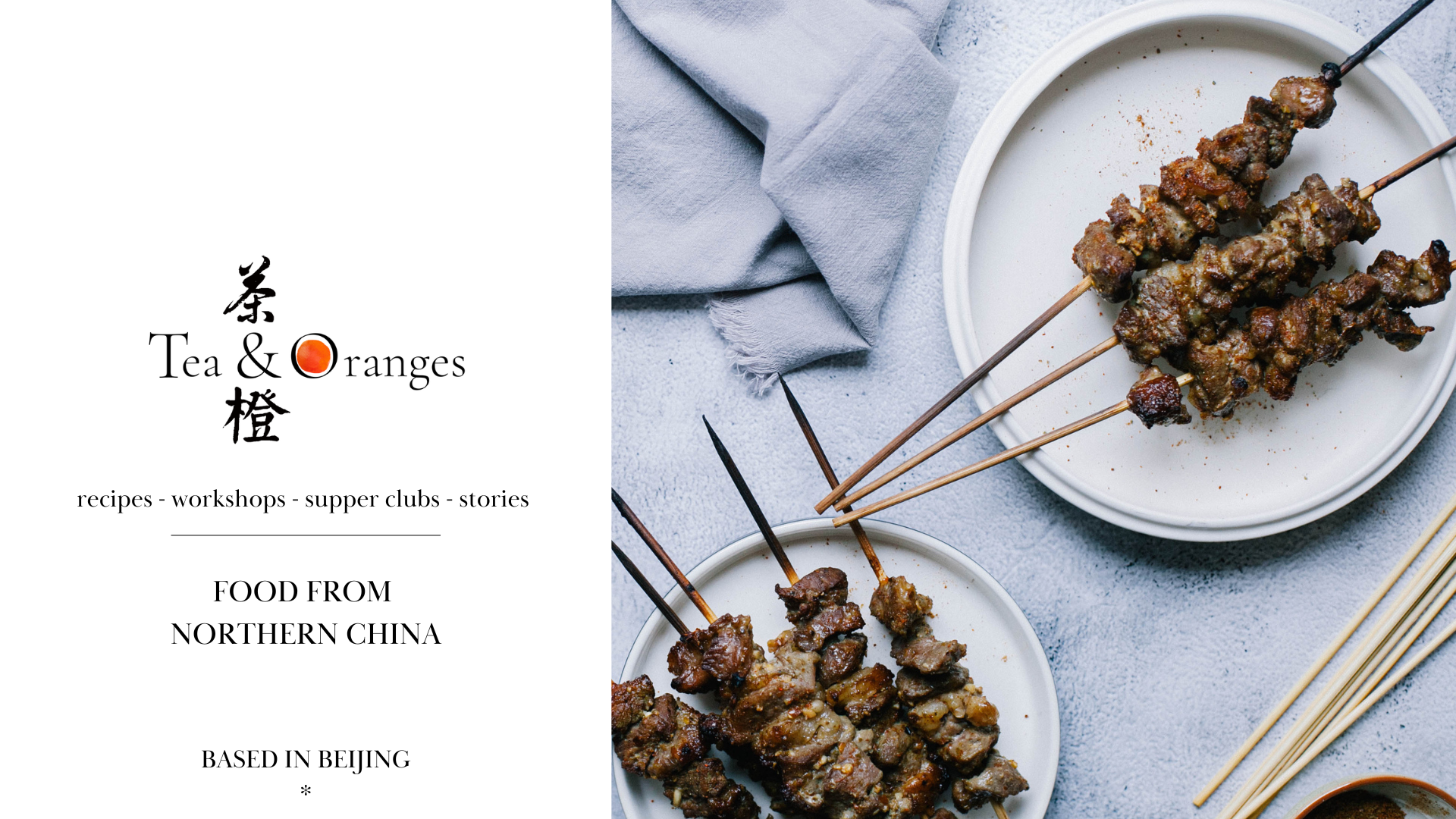
Gansu’s cuisine is one of the most distinctive in Northern China, shaped heavily by Hui Muslim communities rather than the Uyghur culture more commonly associated with northwestern food. Pork is largely absent. Instead, beef and lamb dominate. Wheat is king. Chillies are used, but sparingly compared to neighbouring Shaanxi. Flavour comes from clarity, fermentation, spice blends, and exceptional technique.